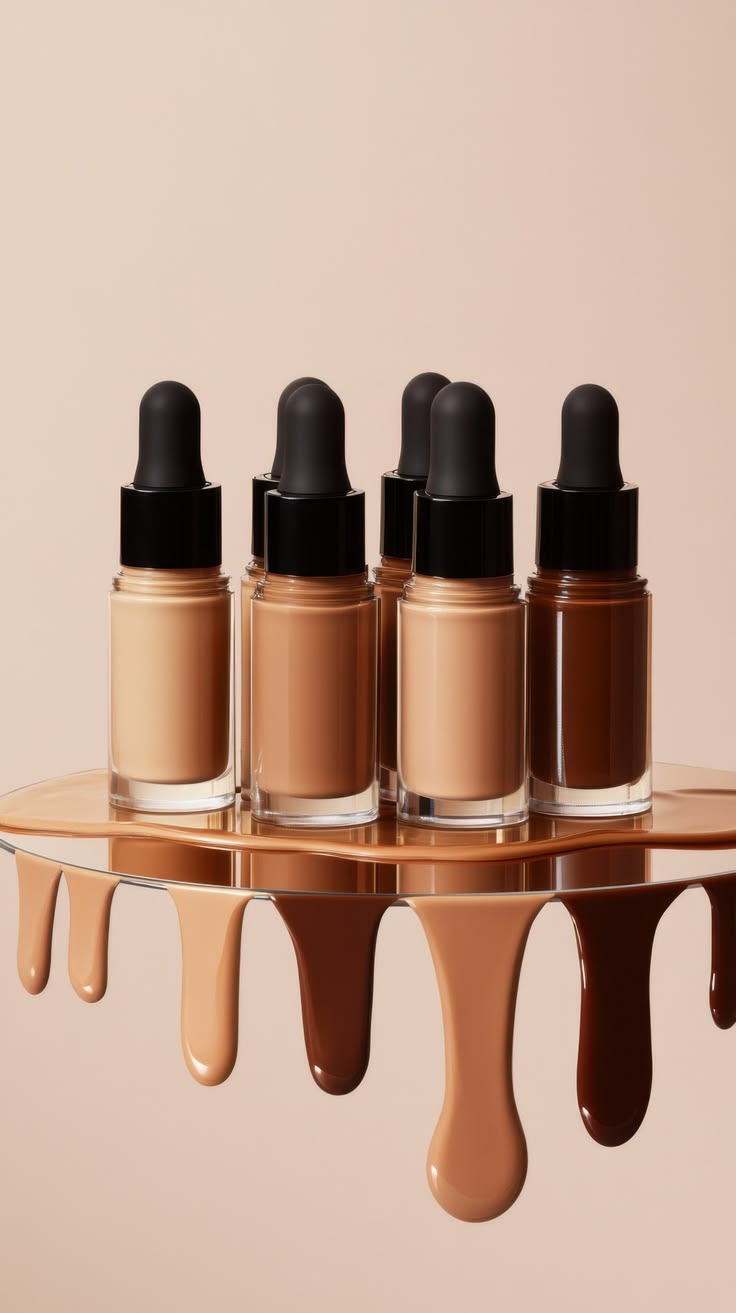
Ideal Foundation Shade: How to Find the Perfect Match for Your Skin
Choosing the ideal foundation shade is an important step for creating a smooth, natural-looking makeup look. The right foundation should blend seamlessly with your skin and help create an even complexion without looking too light, too dark, or noticeably different from your neck. What Is the Ideal Foundation Shade? The ideal foundation shade is one… Continue reading Ideal Foundation Shade: How to Find the Perfect Match for Your Skin
-
By Tasnia Sompa

Share on:
Choosing the ideal foundation shade is an important step for creating a smooth, natural-looking makeup look. The right foundation should blend seamlessly with your skin and help create an even complexion without looking too light, too dark, or noticeably different from your neck.
What Is the Ideal Foundation Shade?
The ideal foundation shade is one that closely matches your natural skin tone and undertone. Skin tone refers to how light or deep your complexion appears, while undertone is the subtle color underneath your skin. Common undertones include warm, cool, neutral, and olive.
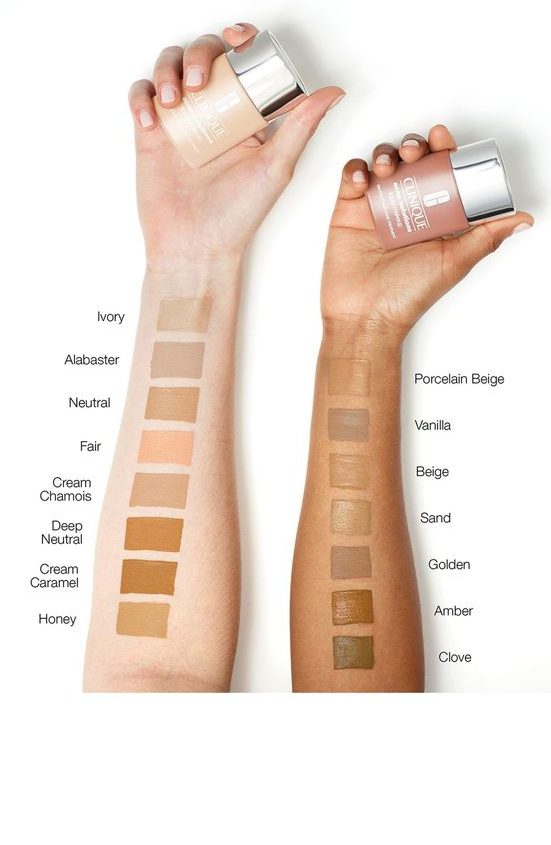
How to Find Your Perfect Foundation Shade
Start by identifying your skin tone. It can generally range from fair and light to medium, tan, deep, or rich. Next, determine your undertone.
- Warm undertone: Your skin may have golden, yellow, or peachy tones.
- Cool undertone: Your skin may have pink, red, or bluish tones.
- Neutral undertone: Your skin has a balanced mix of warm and cool tones.
- Olive undertone: Your skin may have subtle green or golden tones.
When testing foundation, apply a small amount along your jawline rather than only on your hand. Your jawline provides a better indication of whether the shade matches your face and neck. Allow the product a few minutes to settle before checking the match in natural light.
Ideal Foundation Shade for Different Skin Tones
For fair skin, lighter shades with suitable pink, neutral, or warm undertones can provide a natural finish. Light to medium skin tones often suit beige, neutral, golden, or peach-based shades. Medium to tan complexions may work well with warm beige, golden, caramel, or olive-based foundations. Deeper skin tones can look for rich caramel, chestnut, espresso, or other deep shades that match their individual undertone.
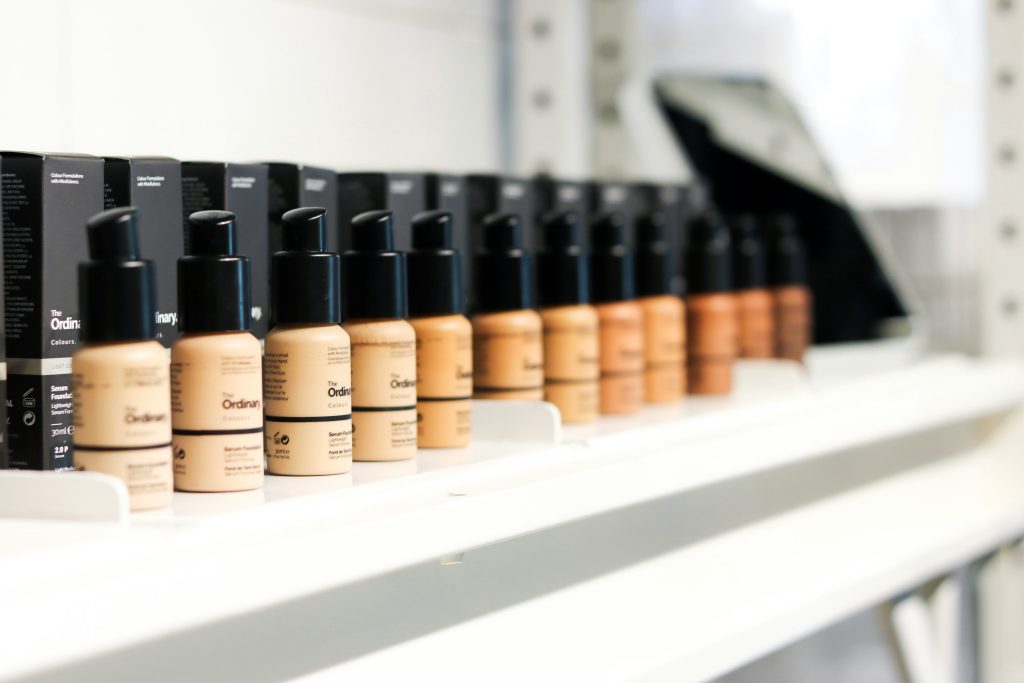
Remember that foundation shade names can vary between brands, so always focus on the actual color and undertone rather than relying only on names such as “Natural,” “Beige,” or “Honey.”
How to Choose Foundation Online Ideal Foundation Shade
Buying foundation online can be challenging because screen settings can affect how colors appear. Check the brand’s foundation shade chart, compare your current foundation shade if you have one, and look for shade descriptions that mention undertones. Customer reviews and shade-matching tools can also provide helpful guidance.
Final Tips for Choosing the Right Ideal Foundation Shade
The best foundation shade should disappear into your skin rather than create a visible line. Consider your skin tone, undertone, lighting, and foundation formula before making your choice. If your skin tone changes with the seasons, you may also need a slightly different shade at different times of the year.
Finding the ideal foundation shade may take a little experimentation, but once you understand your skin tone and undertone, choosing the right foundation becomes much easier. A well-matched foundation can create a natural, even base and help the rest of your makeup look polished and balanced.

Tasnia Sompa
An Admin at Glamour ItemPopular Categories
Recent posts

AXIS-Y Dark Spot Correcting Glow Serum


5 Best Shampoo and Conditioner Sets for Women


TOP 5 BEST BODY MOISTURIZERS FOR AGING SKIN OVER 60

Top 5 Best Hairsprays For Holding Curls


Top 10 Best Eyeshadow for Every Look


6 Best Body Makeup For Legs | Smooth Finish