SPF 30 vs 50: The Truth About Sunscreen and UV Protection
When it comes to choosing sunscreen, many people wonder about SPF 30 vs 50 — is there really a big difference in protection? Surprisingly, properly applied SPF 50 sunscreen blocks 98% of UVB rays, while SPF 30 blocks about 97%. SPF 30 vs 50: What’s the Real Difference? The main issue with high-SPF sunscreens is… Continue reading SPF 30 vs 50: The Truth About Sunscreen and UV Protection

Share on:
When it comes to choosing sunscreen, many people wonder about SPF 30 vs 50 — is there really a big difference in protection? Surprisingly, properly applied SPF 50 sunscreen blocks 98% of UVB rays, while SPF 30 blocks about 97%.

SPF 30 vs 50: What’s the Real Difference?
The main issue with high-SPF sunscreens is false confidence. People think they’re fully protected, but studies show that high SPF numbers are often unreliable.
Procter & Gamble once tested an SPF 100 product in several labs. The results came back between SPF 37 and 75—nowhere near 100! Tiny differences in light, application, or testing can completely change the outcome. Because the SPF scale isn’t linear, small variations can make big differences at high levels.
The Environmental Working Group (EWG) also found that most sunscreens only deliver about half of their claimed SPF in real-world tests.

How SPF Tests Work
SPF testing is done on real people (in vivo testing). Researchers apply sunscreen to volunteers with different skin types and then see how long it takes for their skin to burn under UV lamps.
This process is far from perfect—tiny details like how much pressure the tester uses when spreading the product can change the results.
In 2019, new international testing standards were introduced to make things more consistent—like applying a set number of drops, spreading in specific motions for 30–40 seconds, and using calibrated lamps. Even so, there’s still a margin of error because human testing can never be completely standardized.
Because of this, some experts suggest limiting SPF numbers and developing new, more reliable testing methods that don’t rely on human subjects.
UVA vs. UVB Rays – Why It Matters
To really protect your skin, a sunscreen must block both UVA and UVB rays:
- UVB rays cause sunburn and play a big role in skin cancer.
- UVA rays penetrate deeper, speeding up skin aging, weakening your immune system, and contributing to cancer too—but without leaving visible redness.
That’s why UVA exposure is so tricky: you can’t see or feel it.
Zinc oxide, a mineral filter used in Suntribe sunscreens, naturally protects against both UVA and UVB rays.
The UVA Problem With High SPF Sunscreens
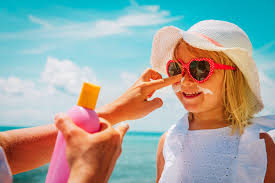
SPF only measures protection against UVB rays—the ones that burn your skin. But it says nothing about UVA protection.
Research shows many high-SPF sunscreens offer poor UVA coverage, sometimes as little as one-quarter of what’s needed for full protection. That means you could be safe from burns but still getting invisible, long-term skin damage.
On top of that, the “safe feeling” of SPF 50+ often leads people to stay in the sun longer, skip reapplying, or use too little product. To achieve such high SPF numbers, companies also use large amounts of chemical UV filters, often in complicated mixtures.
Health Risks of High SPF Products
The higher the SPF, the more chemical UV filters it usually contains. These ingredients can increase the risk of:
- Skin irritation and allergic reactions
- Chemical absorption into the bloodstream
- Hormone disruption and tissue damage
For example, ingredients like oxybenzone and octinoxate, common in high-SPF sunscreens, have been found in blood samples long after use. That’s why it’s often safer (and just as effective) to use SPF 20–30 mineral sunscreens with cleaner, natural ingredients.
The Environmental Impact of High SPF Sunscreens
High-SPF sunscreens don’t just affect you—they can harm the planet too. Many of the chemicals used to reach higher SPF values can wash off into the ocean or waterways, damaging marine life and bleaching coral reefs. Even wastewater eventually carries these substances back into the environment.
So, in many cases, high-SPF sunscreens may do more harm than good for both your health and the planet.
The Future of SPF
The EWG and several health authorities believe manufacturers should stop producing very high-SPF products altogether. Some countries have already set SPF caps—Australia limits SPF to 30, while Europe and Japan cap it at 50. The U.S. FDA is considering similar rules.
At Suntribe, we mostly offer SPF 20 and SPF 30 sunscreens made with natural mineral filters. They protect you from 94–97% of UVB rays and offer strong UVA protection while being safe, eco-friendly, and pleasant to use.
Recently, we’ve also introduced our first mineral-only SPF 50 sunscreen, featuring Pongamia Glabra Seed Oil and non-nano zinc oxide to minimize the white cast. Our Zinc Sun Stick SPF 50 also sticks to our promise of simplicity—only 3–4 natural ingredients and no harmful chemicals.
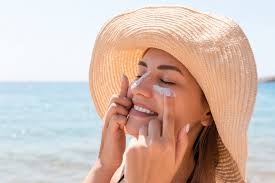
Ultimately, the SPF 30 vs 50 comparison shows that higher numbers don’t always mean better protection. What matters most is applying sunscreen correctly and reapplying regularly.

Farhana Rashid
An Admin at Glamour ItemPopular Categories
Recent posts

AXIS-Y Dark Spot Correcting Glow Serum


5 Best Shampoo and Conditioner Sets for Women


TOP 5 BEST BODY MOISTURIZERS FOR AGING SKIN OVER 60

Top 5 Best Hairsprays For Holding Curls


Top 10 Best Eyeshadow for Every Look


6 Best Body Makeup For Legs | Smooth Finish